Why Brands Must Remember Who They Are to Make an Impact in 2026
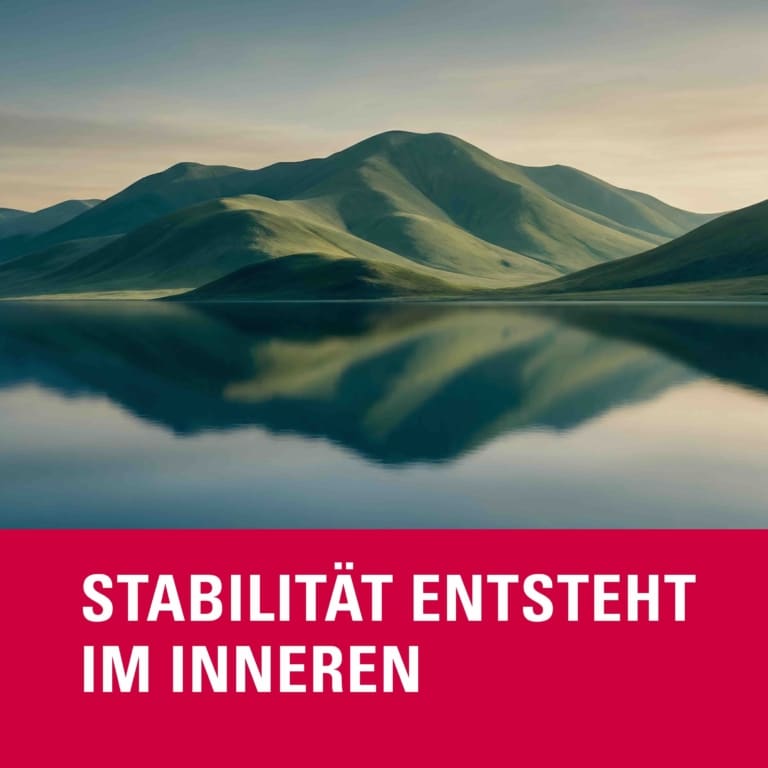
2026 will be a year in which a sense of direction matters more than frantic activity. Brands make an impact when organisations are clear about their identity and act from a shared understanding of who they are. This article explores why consciously reconnecting with their core is becoming a crucial strategic capability.
The turn of the year is traditionally a time for grand announcements. New strategies. New mission statements. New brand promises. In 2026, too, many organisations will set out what they want to stand for in the future. But a different question matters more:
What do people actually remember about an organisation?
A sense of direction comes from within
Economic and social conditions remain challenging. Transformation has become part of everyday life. At the same time, political power dynamics are shifting around the world. Major states and power blocs are pursuing their interests with increasing determination, while smaller and medium-sized countries with less influence are more often reacting than shaping events. These shifts directly affect markets, supply chains, investment decisions and confidence in stable systems. Technology is accelerating these developments further; expectations of organisations are changing, and uncertainty increasingly shapes business decisions.
In this environment, the need for direction is growing. Organisations that understand who they are can provide stability. They know what they stand for and make decisions on that basis.
In this context, the brand serves as an internal frame of reference. It helps make sense of things, brings them together and provides direction. Where this inner clarity exists, a sense of calm emerges, even in turbulent times.
Consistency of identity as a source of impact
Organisations with a clear identity act in ways that remain recognisably true to themselves. Their decisions follow a discernible pattern. Their communication is consistent. Their attitude is understandable. This continuity builds trust. It enables organisations to connect with others without becoming interchangeable. It makes change possible without losing their core.
Brands managed in this way create impact through reliability.
Remembering as a strategic capability
Strong brands are able to remember their own core:
- The motivations behind their actions.
- The values that guide their decisions.
- The responsibilities they want to take on.
Remembering is an active process. It connects heritage with the future. It makes development possible without losing direction. In 2026 especially, this ability to consciously reaffirm who you are will become a crucial strategic capability.
True values as the basis for decisions
True values make a difference wherever decisions are prepared and made. They shape leadership, collaboration and priorities. They influence the customer relationships an organisation builds and the ways people work together. Organisations that have clearly defined and embedded their values can act consistently. Their brand becomes tangible because it is expressed through behaviour, both internally and externally.
This kind of clarity builds trust, long-term relationships and impact.
How to recognise brands that make an impact
- Strong brands demonstrate internal alignment.
- Employees can explain what their organisation stands for.
- Decisions are understandable and consistent.
- Communication follows a clear direction.
These brands are stable without being rigid. They evolve without losing their core. They provide direction for employees, customers and partners.
An invitation to reflect
As 2026 begins, it is worth taking a candid look within:
- Is your brand focused more on consistency or on impact?
- Who ‘owns’ the brand in your organisation: marketing or senior management?
- Are your design, culture and behaviour aligned, or do they pull in different directions?
- When did you last examine how authentic your brand really is?
- Which aspect of your brand is clearest, and which needs the most improvement?
Where this clarity exists, impact follows.
Where it is missing, that is where brand work begins.